
Ecobonus with tax deduction
The contents of this page represent a summary of the provisions of the various regulations in force at the time of its drafting, and Panuccio's interpretation of certain areas of operational application cannot, under any circumstances, be considered technical advice. For specific issues and an up-to-date overview of the regulations, which are constantly subject to change, we recommend consulting your trusted advisors and professionals or visiting the relevant institutional websites.
Solar screens
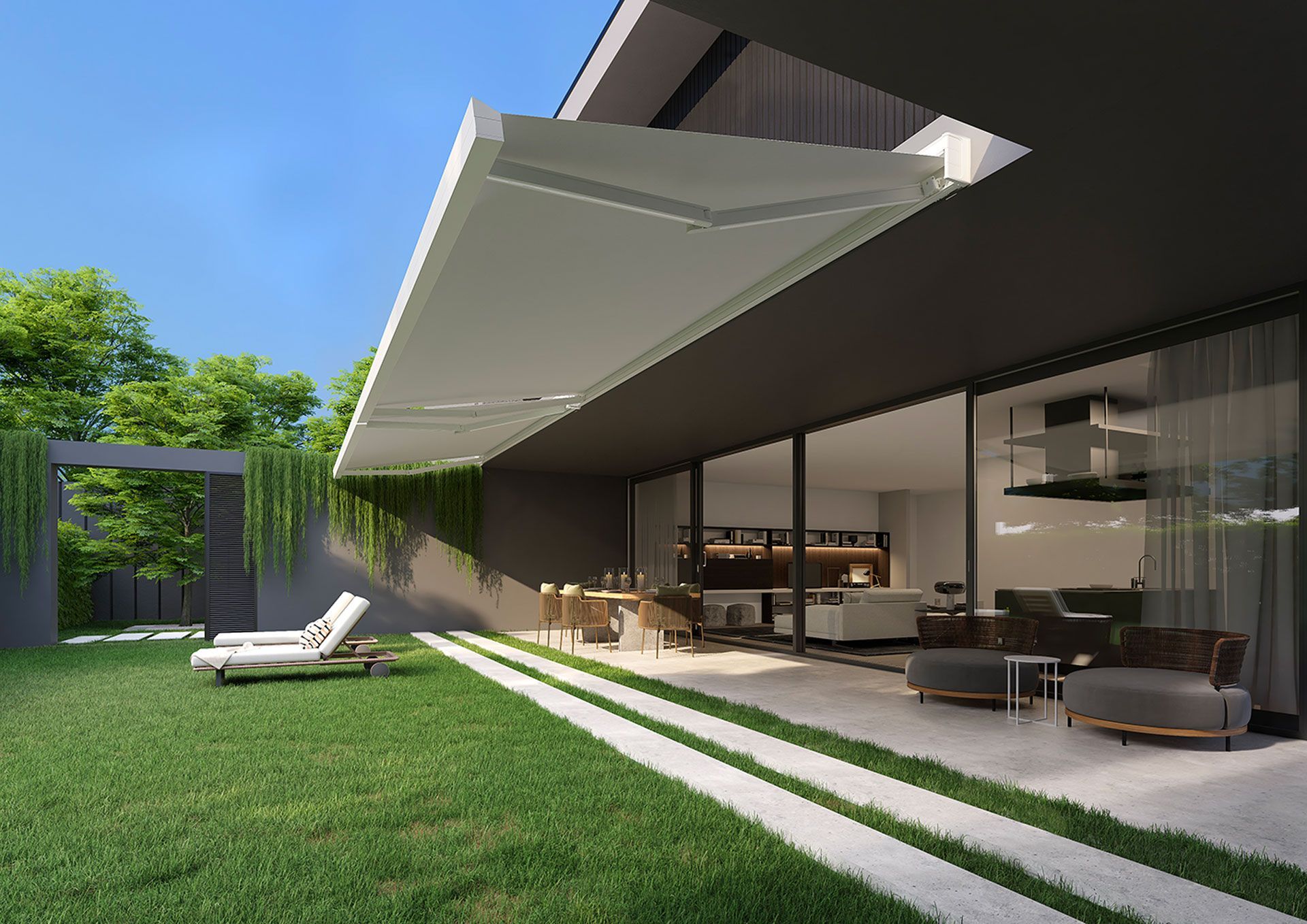
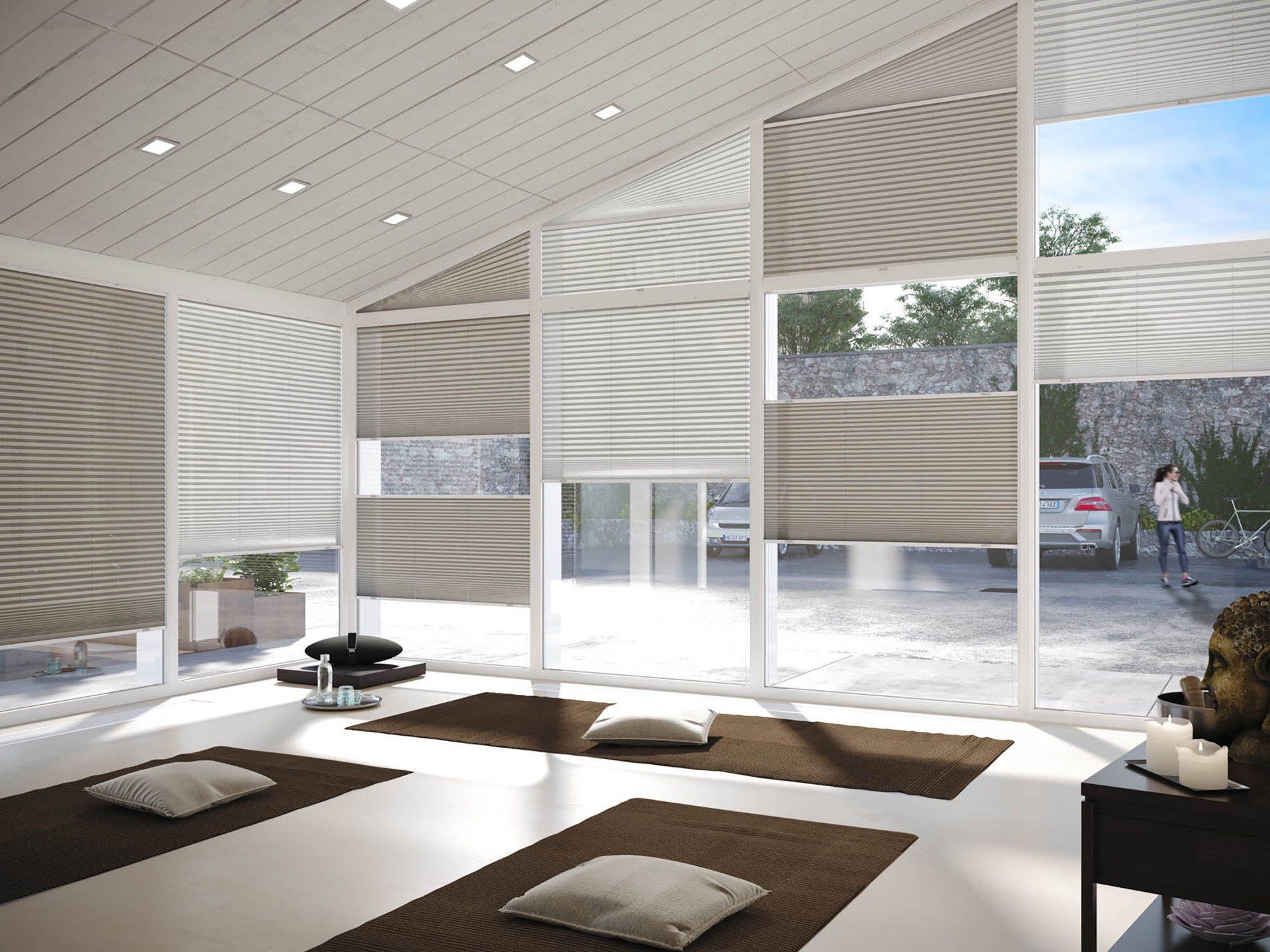
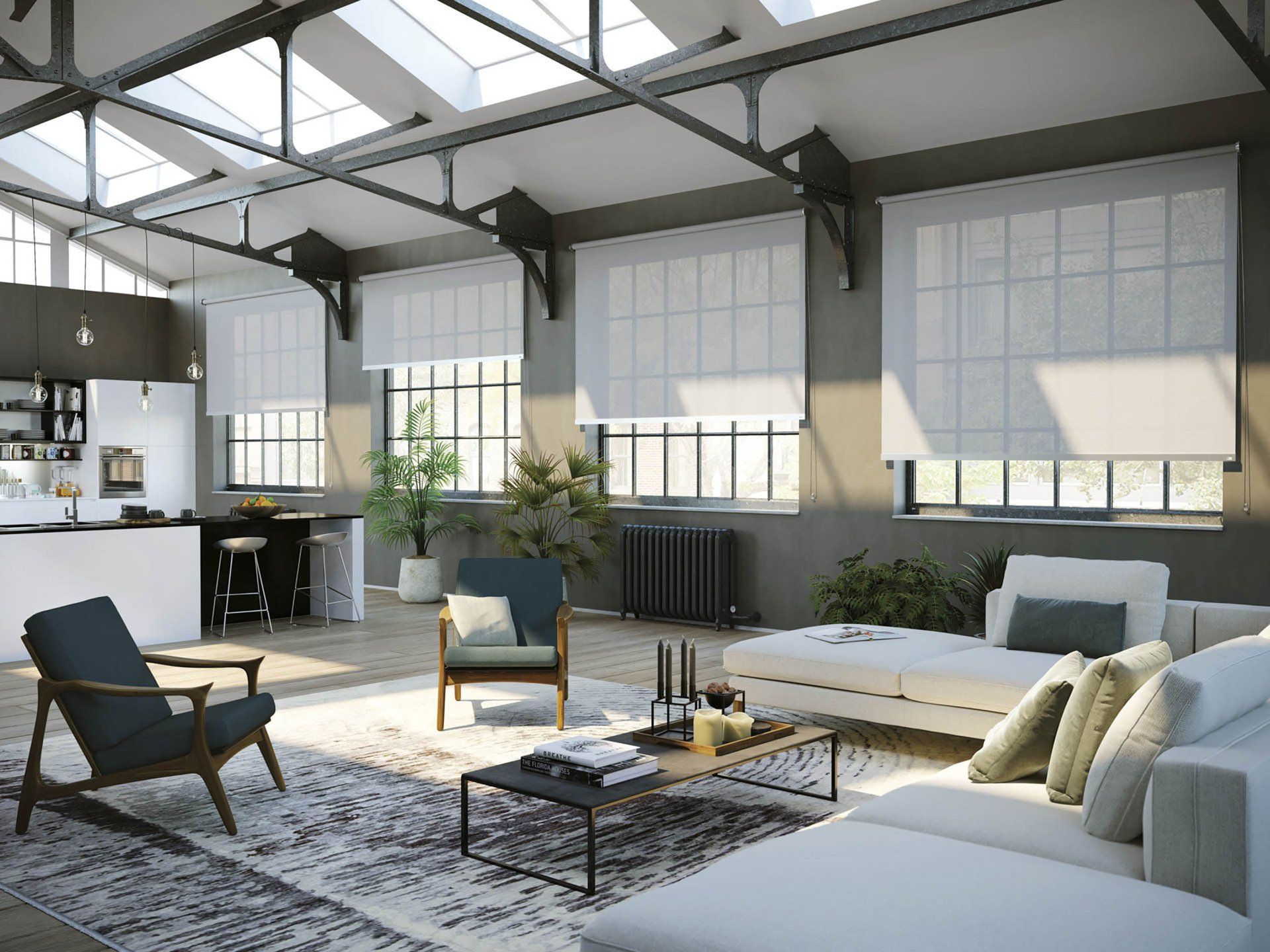
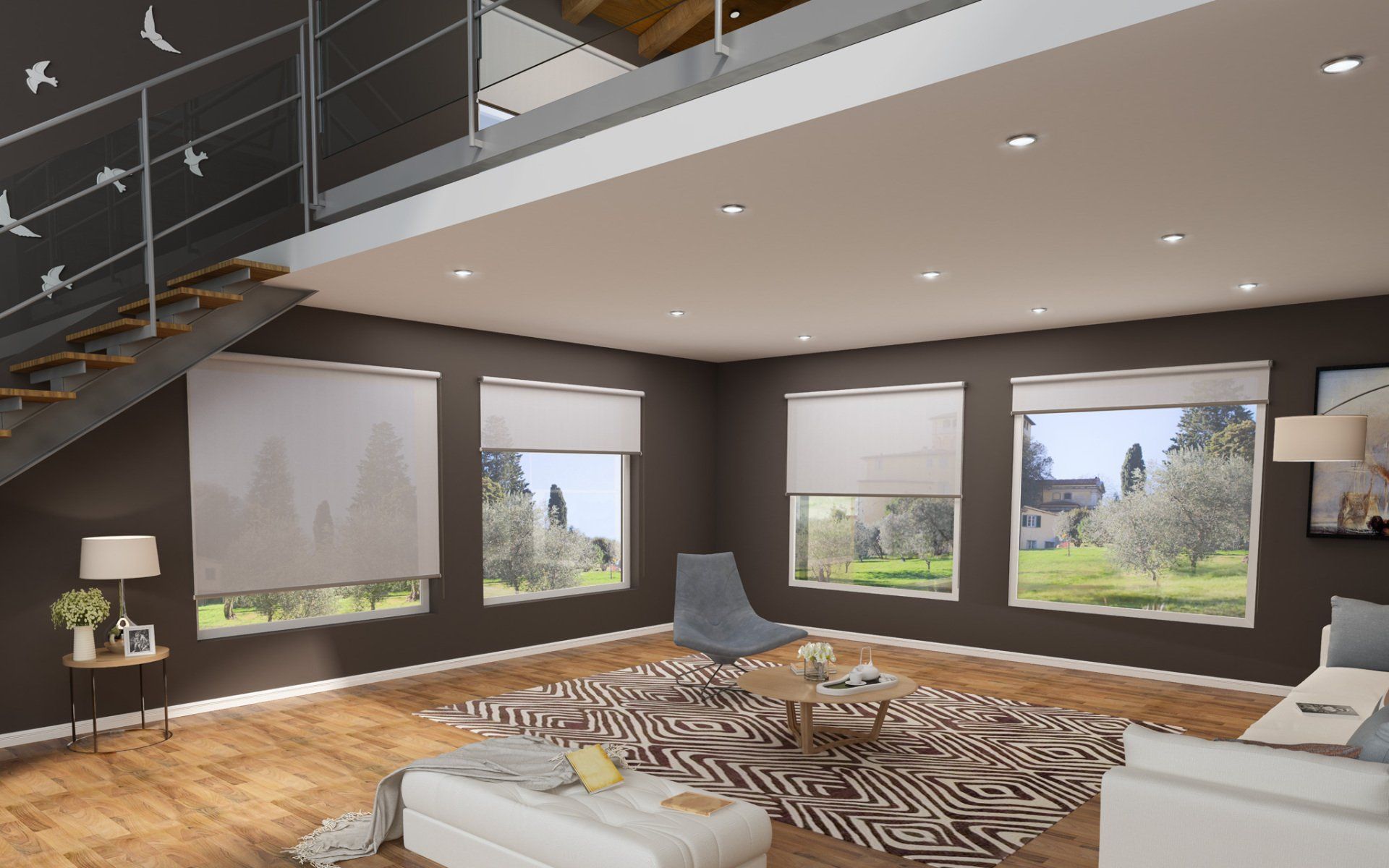
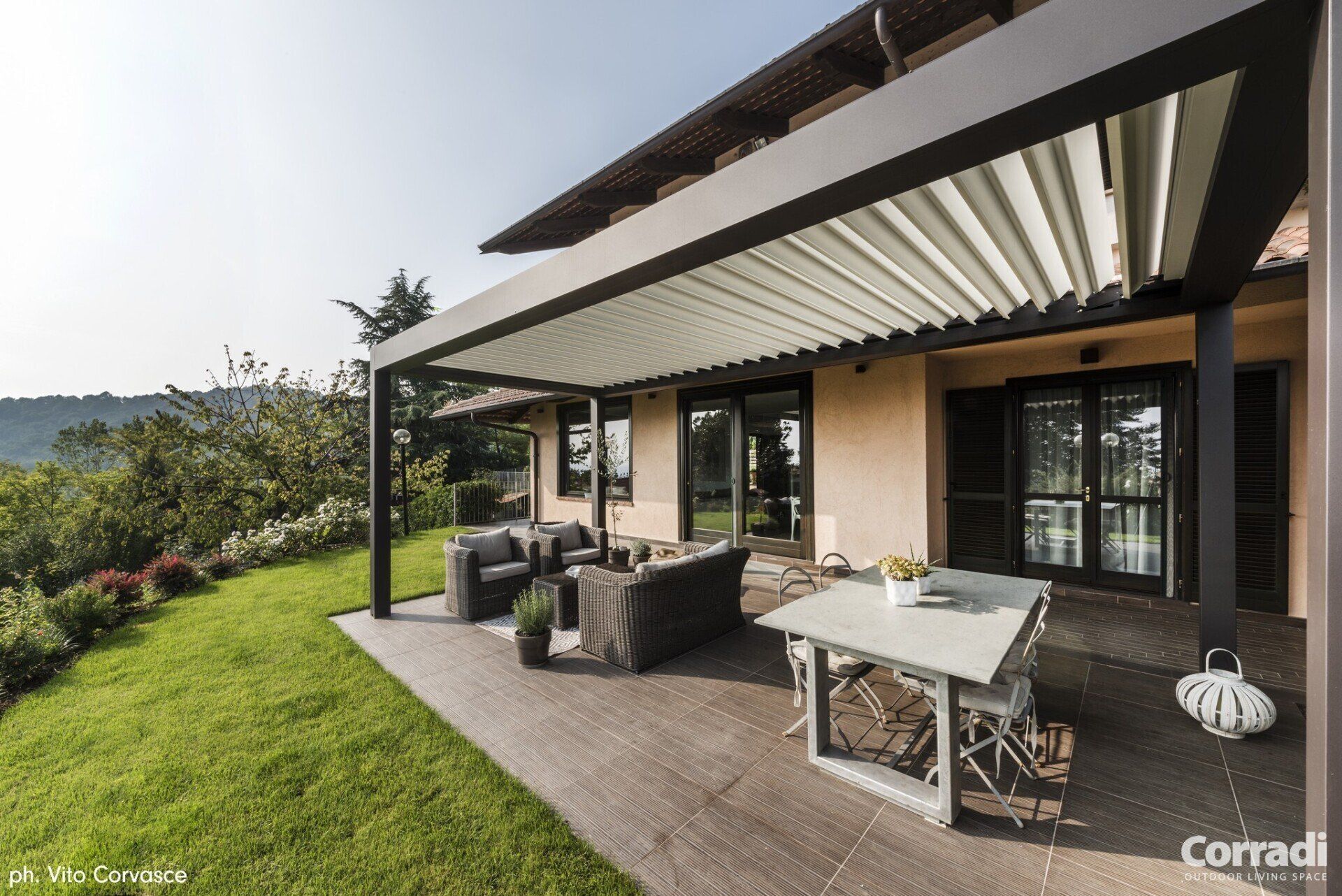
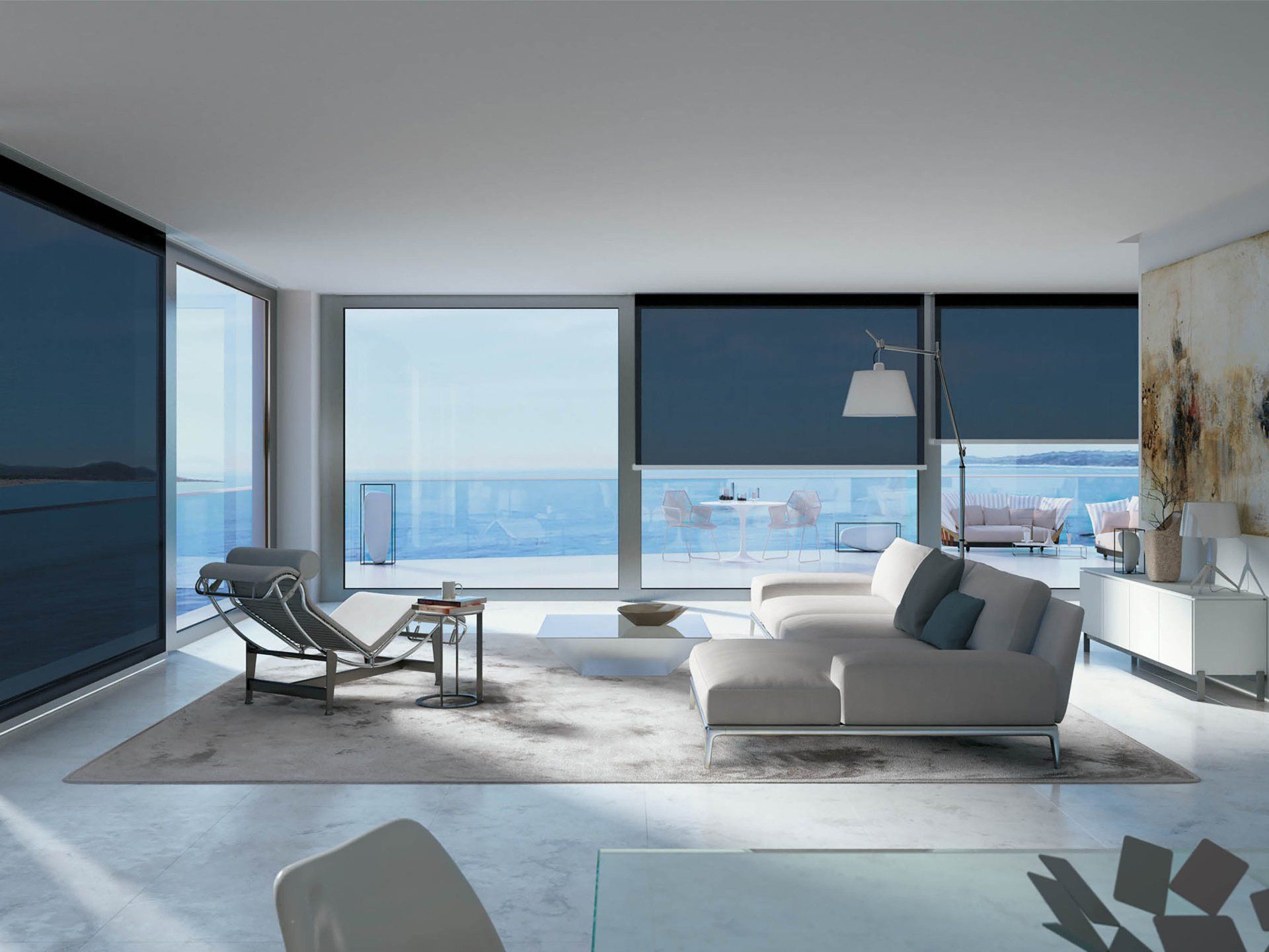
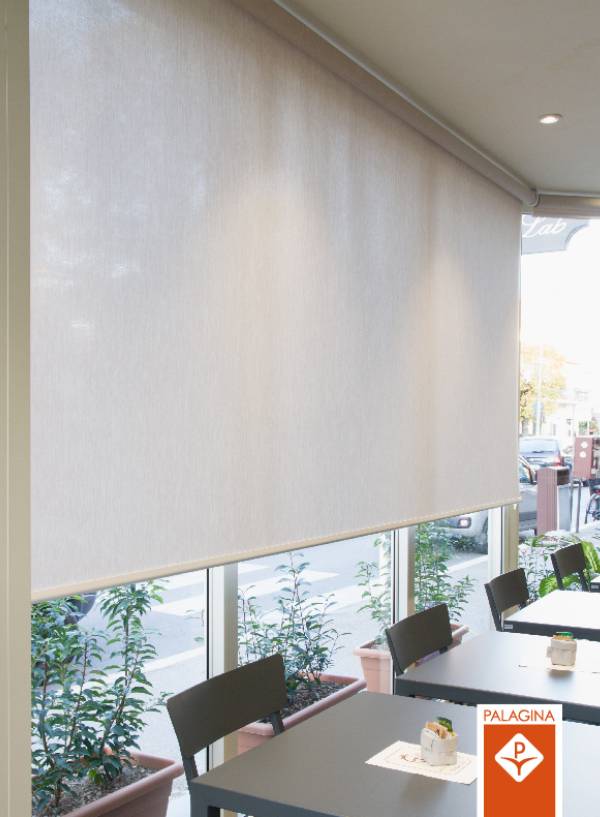
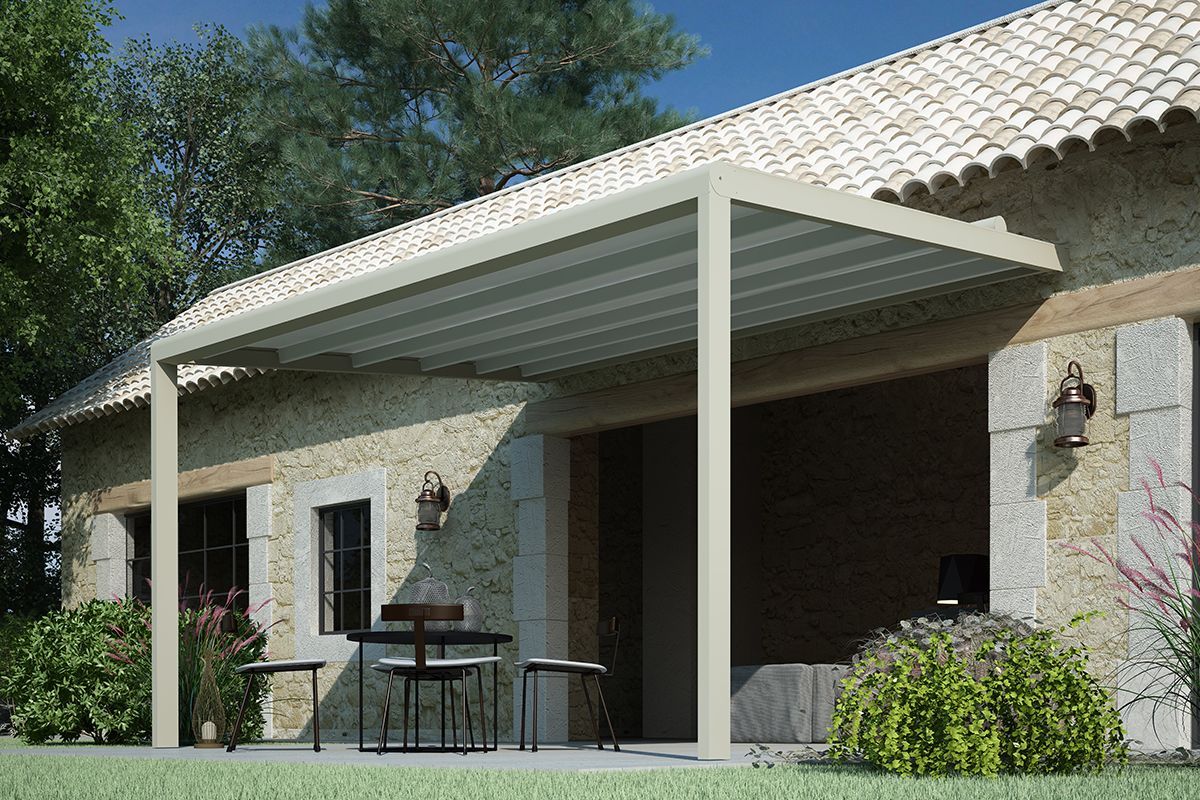
Solar screens eligible for the Ecobonus are mobile technical systems (external, internal, or integrated) that, when applied to glass surfaces, improve their energy efficiency. Solar screens, pergolas, and awnings generally offer a tax break (IRPEF or IRES deduction) that rewards the energy retrofitting of existing buildings, over a 10-year period, aimed at reducing energy consumption. Requirements:
- be in relation to a glass surface of the building
- have gtot value <-/= 0.35
- be exposed from East to West passing through South
- have CE marking certified according to the EN 13561 standard
- have the Manufacturer Certification
The energy saving bonus is accessible to a wide range of taxpayers:
- the owner or the bare owner, both for main and secondary residences
- the holder of a real right of enjoyment, such as usufruct, use, habitation or surface
- the tenant with prior authorization
- the borrower or the person who uses the property on loan
Cohabiting family members, namely the spouse (who is treated as a civil union partner) provided they are responsible for covering the costs, the de facto partner, and the separated spouse assigned the property registered to the other spouse. Residents of the property undergoing the work are not required.
House Bonus
The "home bonus," or more precisely the renovation bonus, is a tax relief that allows you to deduct a portion of the costs incurred for residential renovations. Specifically, the benefit includes:
- extraordinary maintenance interventions,
- restoration and conservative rehabilitation,
- building renovation.
External awnings will be eligible for the Home Bonus not only when included in more complex extraordinary maintenance, restoration, conservative renovation, and building renovation projects, but also when, in the absence of a building permit, the project is aimed at achieving energy savings. The Home Bonus can be combined with the Ecobonus; however, only one of the two bonuses can be chosen for the same project.
Panoramic glass windows VE.PA
No bonus is automatic. Tax benefits do not depend on whether a product complies with a technical standard, but on the nature of the intervention, the type of property, and the intended purpose. The regulatory framework in this area is primarily contained in Article 16-bis of the TUIR (Presidential Decree 917/1986), which governs deductions for building renovation projects. The amendment to the building regulations introduced by the Aid Decree bis (No. 115 of August 9, 2022) has introduced a new element in the area of free construction:
panoramic removable glass windows (VEPA)This regulatory innovation is contained in Article 6, paragraph 1 of Presidential Decree 380/2001.
VEPA requirements and characteristics
Removable Panoramic Windows (VEPA) must meet the following requirements:
- They must offer protection from atmospheric agents, contributing to improving the acoustic and energy performance of the building.
- They must reduce heat loss and ensure partial waterproofing from rainwater.
- To be considered free-standing, they must be used exclusively to enclose loggias and balconies constructed with solid masonry. This requirement ensures that VEPAs integrate harmoniously into the existing architecture without altering the building's aesthetics.
- Installation in free-standing buildings is not permitted when the VEPAs are placed underneath a pergola or a bioclimatic structure.
- They must be designed to ensure natural micro-ventilation, which is essential for maintaining a healthy internal environment.
- The installation must be carried out by minimizing the visual impact and bulk, preserving the pre-existing architectural lines of the building.
- They must not create permanently closed spaces, that is, they cannot generate new volume.
In this scenario, condominium owners who intend to install Vepa on their balconies must proceed with extreme caution. It is essential to comply with current regulations and any condominium regulations and take all necessary precautions for proper installation.
Request a consultation to take advantage of tax deductions
Tell us about your project and we'll get back to you as soon as possible.
Contact us
Invest today, save tomorrow
Postponing a replacement often means missing out on a double opportunity: comfort and tax savings. Those who make the necessary changes by the end of the year can still benefit from the 50% Curtain Bonus, avoiding a drop to 36% by 2027. A new awning is not just an aesthetic improvement, but an investment in the quality of daily life, safety and energy efficiency.